
Why Smart SMBs Are Ditching Cookie-Cutter Software for Custom Solutions in 2026
The software landscape just flipped.
For years, small and medium-sized businesses stuck with off-the-shelf solutions because custom development seemed out of reach. Too expensive. Too slow. Too risky.
Not anymore.
In 2026, smart SMBs are abandoning cookie-cutter platforms and building solutions that actually fit their businesses. The shift isn't driven by vanity or tech obsession: it's driven by survival. Companies that cling to generic software are watching competitors pull ahead with systems that automate business processes in ways SaaS platforms never could.
Here's why the paradigm shifted: and why your business might need to shift with it.
The Hidden Tax of "One-Size-Fits-All" Software
Off-the-shelf software promises simplicity. Sign up. Pay monthly. Start using it.
But here's what they don't advertise: the workarounds.
You spend hours each week forcing your processes into someone else's logic. You hire people to do manual work that shouldn't be manual. You pay for features you'll never use while the features you actually need don't exist.

The real cost isn't the subscription fee: it's the opportunity cost. Every hour your team spends adapting to software limitations is an hour they're not serving customers, closing deals, or innovating.
Generic platforms optimize for the average user. If your business operates exactly like everyone else, that's fine. But if you've built any competitive advantage, any unique process, any specialized workflow: generic software becomes a straightjacket.
AI Integration Demands Custom Architecture
You've heard the AI hype. But here's the reality: AI doesn't magically integrate with your existing software stack.
Most standalone automation tools can't handle modern AI workflows. They weren't built for it. Legacy systems: some more than 20 years old: lack the architecture to process massive data volumes, adapt to machine learning models, or orchestrate complex AI-driven processes.
This creates a fundamental problem: You can't deploy meaningful AI automation for small business without systems designed for it.
Companies attempting to bolt AI onto incompatible platforms hit walls quickly. The data doesn't flow. The models don't train. The automation breaks. Custom solutions solve this by building AI capabilities into the foundation: not taping them onto the surface.
AI integration services aren't about adding chatbots to your website. They're about fundamentally rethinking how your systems process information, make decisions, and execute actions without human intervention.

Compliance Can't Be an Afterthought
In regulated industries, custom software development isn't a luxury: it's a requirement.
Healthcare organizations can't just adopt any CRM. Financial services can't use generic accounting software. The regulatory frameworks are too strict. The penalties for non-compliance are too severe.
But compliance goes deeper than checking boxes. Custom solutions create switching costs that protect long-term client relationships. When your clients rely on systems built specifically for their compliance needs, they don't casually shop for alternatives.
This applies beyond highly regulated industries. Data privacy laws continue tightening globally. Generic platforms update on their schedule, not yours. If new regulations require immediate changes to how you handle customer data, you're at the mercy of your vendor's development roadmap.
Custom solutions let you control compliance timelines. You adapt when regulations change: not when your SaaS provider gets around to it.
No-Code Platforms Changed the Economics
The cost argument against custom software just collapsed.
Development projects that required six-figure budgets five years ago now cost 70% less and take 90% less time using modern no-code and low-code platforms. This isn't marketing hype: it's measurable reality.
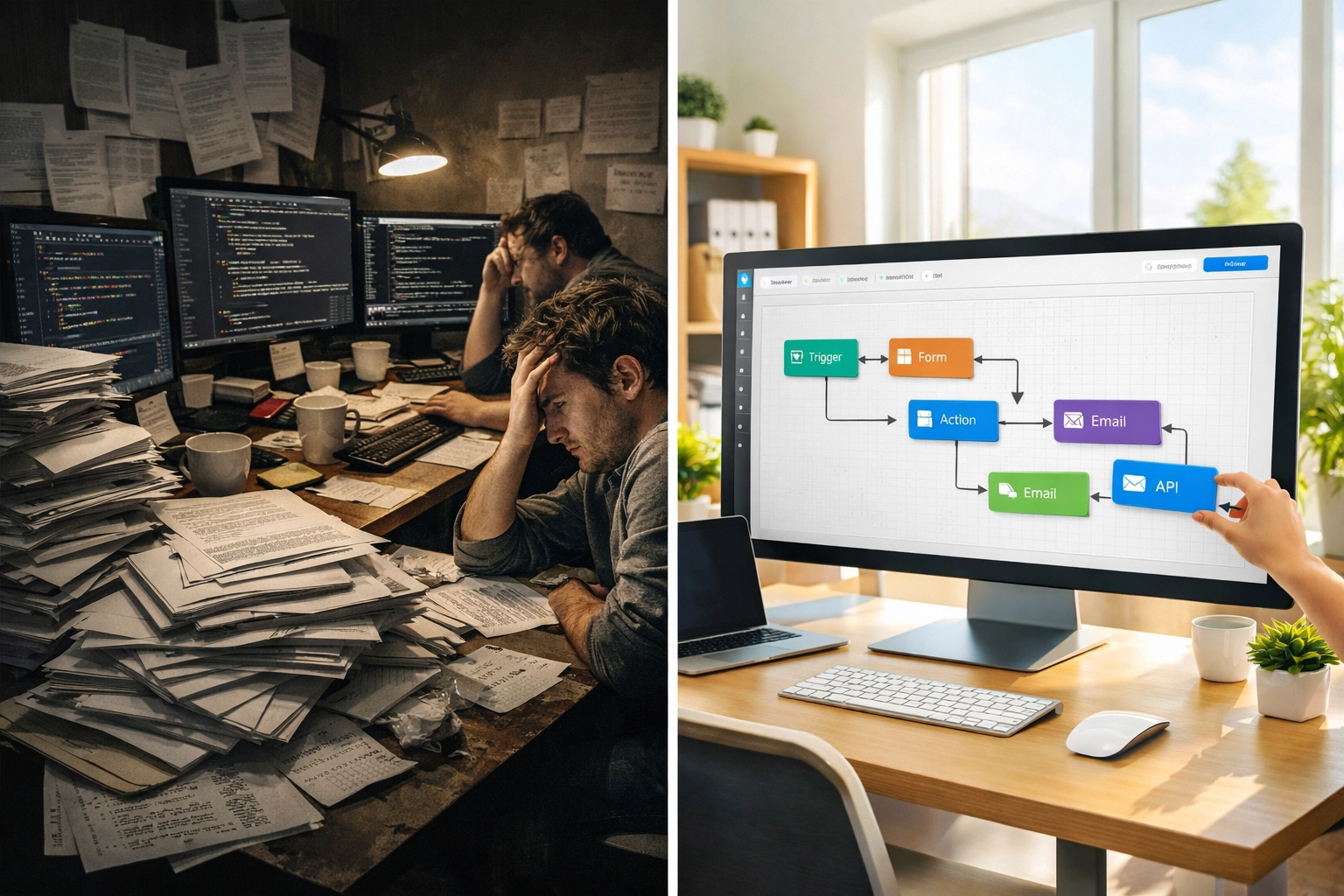
The transformation happened because workflow automation tools matured. Platforms like n8n, Airtable, and others enable sophisticated business process automation without writing every line of code from scratch. You're not choosing between "expensive custom" and "affordable generic" anymore.
You're choosing between:
- Generic software that almost fits but requires workarounds, manual processes, and multiple subscriptions
- Custom solutions that fit exactly and cost competitively with the generic option
The math shifted. Custom development is now accessible to SMBs with budgets under $20,000: not just enterprises with million-dollar IT departments.
This democratization means you can build systems that match your specific needs without betting the company. Automation consulting helps you identify which processes deliver the highest ROI from customization, so you're not over-engineering solutions to simple problems.
Personalization Became Non-Negotiable
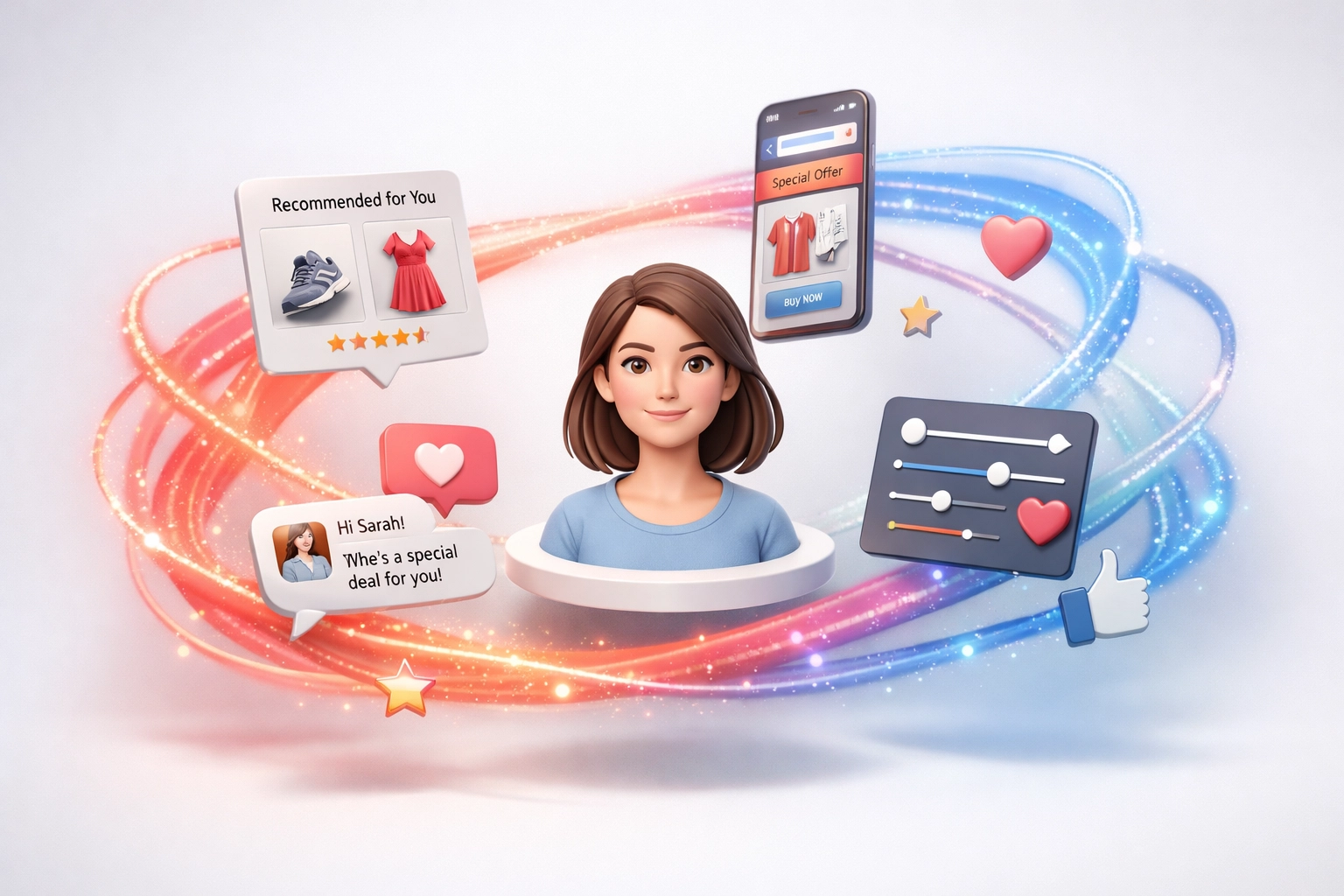
Your customers expect experiences tailored to them. Not to "users like them": to them specifically.
The data is stark: 71% of consumers expect personalization. More importantly, 76% get frustrated when businesses fail to deliver it. Generic software can't provide this level of customization because it's designed for mass markets, not individual relationships.
AI-powered custom platforms now deliver enterprise-level personalization for under $50 monthly: a fraction of the $108,000+ annual cost of traditional enterprise solutions. This pricing revolution means SMBs can compete on customer experience with companies 100 times their size.
Marketing automation AI doesn't just send emails on schedules anymore. It analyzes customer behavior, predicts preferences, adapts messaging in real-time, and orchestrates omnichannel experiences that feel personal because they are personal.
The competitive advantage goes to businesses that know their customers: not businesses that group them into demographic segments. Custom solutions let you capture and act on the specific data that matters to your business model.
Modernization Without Disruption
Many SMBs run on systems that work but are aging rapidly. Complete replacement seems too risky. Too expensive. Too disruptive.
The solution isn't rip-and-replace: it's layering.
Smart companies add digital layers, APIs, and orchestration on top of existing systems. They modernize without disrupting critical operations. Legacy platforms continue handling what they do well while new custom solutions handle what they can't.
This approach lets you automate business processes incrementally. You start with the highest-pain workflows. You prove value. Then you expand.
Airtable automation exemplifies this strategy. You're not replacing your entire database infrastructure: you're building flexible layers that connect systems, clean data, and trigger actions across platforms. The result looks seamless to users but requires minimal disruption to implement.
The global custom software market is expanding at 22.6% annually, projected to reach $334 billion by 2034. This growth reflects a fundamental shift: businesses realize they can't compete long-term on generic infrastructure.
The Bottom Line
Generic software optimizes for the average business. Custom solutions optimize for your business.
In 2026, that difference determines who leads markets and who follows. Cookie-cutter platforms create cookie-cutter results. If you're comfortable looking exactly like your competitors, stick with SaaS.
But if you're building something unique: if you're competing on customer experience, operational efficiency, or specialized expertise: you need systems that amplify your strengths rather than constrain them.
The cost barrier fell. The timeline barrier fell. The technical barrier fell.
What's stopping you?
If you're ready to explore what custom solutions could do for your business, start by understanding your specific automation opportunities. The best time to build custom was five years ago. The second best time is now.
